The Reading Safe
E-Commerce Learning Platform
Project Overview
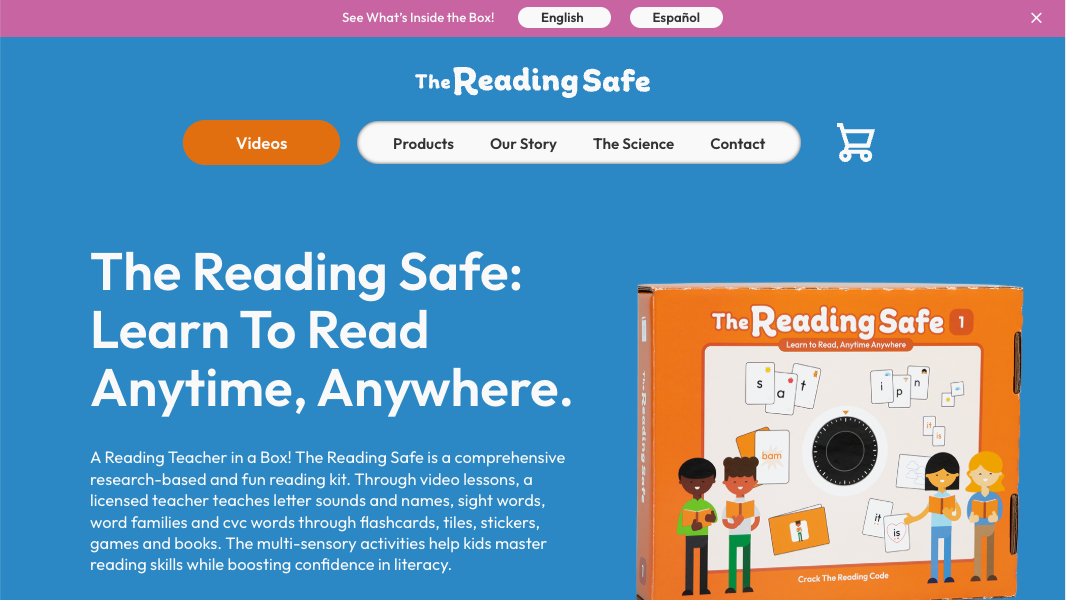
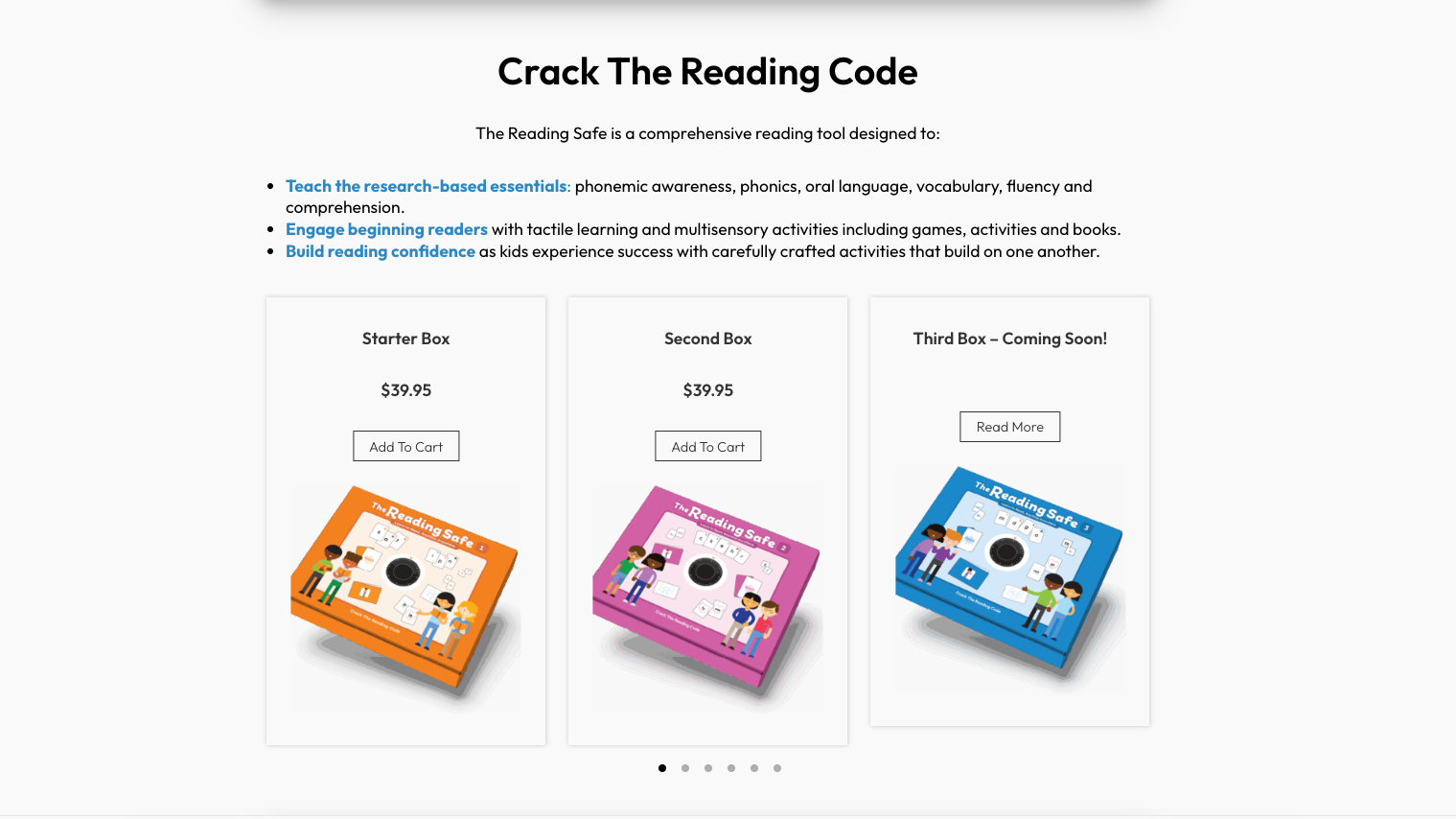
The Reading Safe needed a platform capable of functioning simultaneously as an e-commerce system, educational resource hub, and long-term content publishing platform.
The challenge extended beyond traditional WooCommerce implementation. The site needed to support both physical and digital product sales while also organizing educational content, guiding parents and educators through purchasing decisions, and giving the client the ability to manage and expand the platform independently over time.
The project centered heavily on scalable CMS architecture, conversion-focused user experience design, and creating flexible publishing systems capable of supporting ongoing growth without requiring continuous developer involvement.
Rather than functioning as a simple storefront, the platform was designed to operate as a hybrid commerce and educational ecosystem built around content discovery, product education, and long-term usability.
Key Challenges & Solutions
Combining Commerce With Educational Content
The platform needed to balance two very different user behaviors at once: shopping and learning.
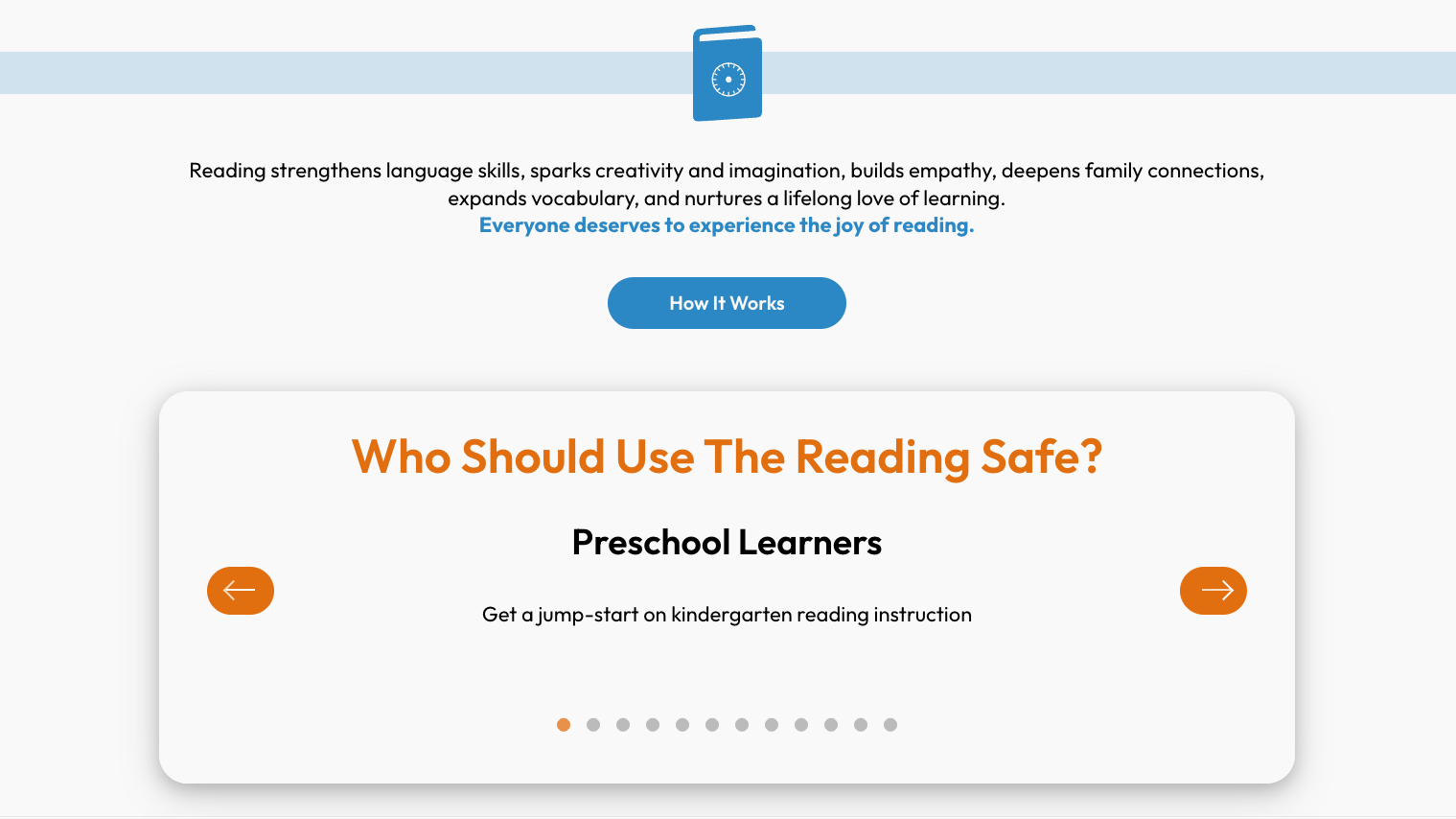
Users were not simply browsing products. Many visitors were parents, educators, or administrators attempting to understand educational methodologies, literacy tools, and product applications before making purchasing decisions.
The architecture focused heavily on connecting educational content with product discovery so the experience felt guided and informative rather than transactional alone.
Supporting Both Physical & Digital Products
The store needed to support multiple product types with different fulfillment models and customer expectations.
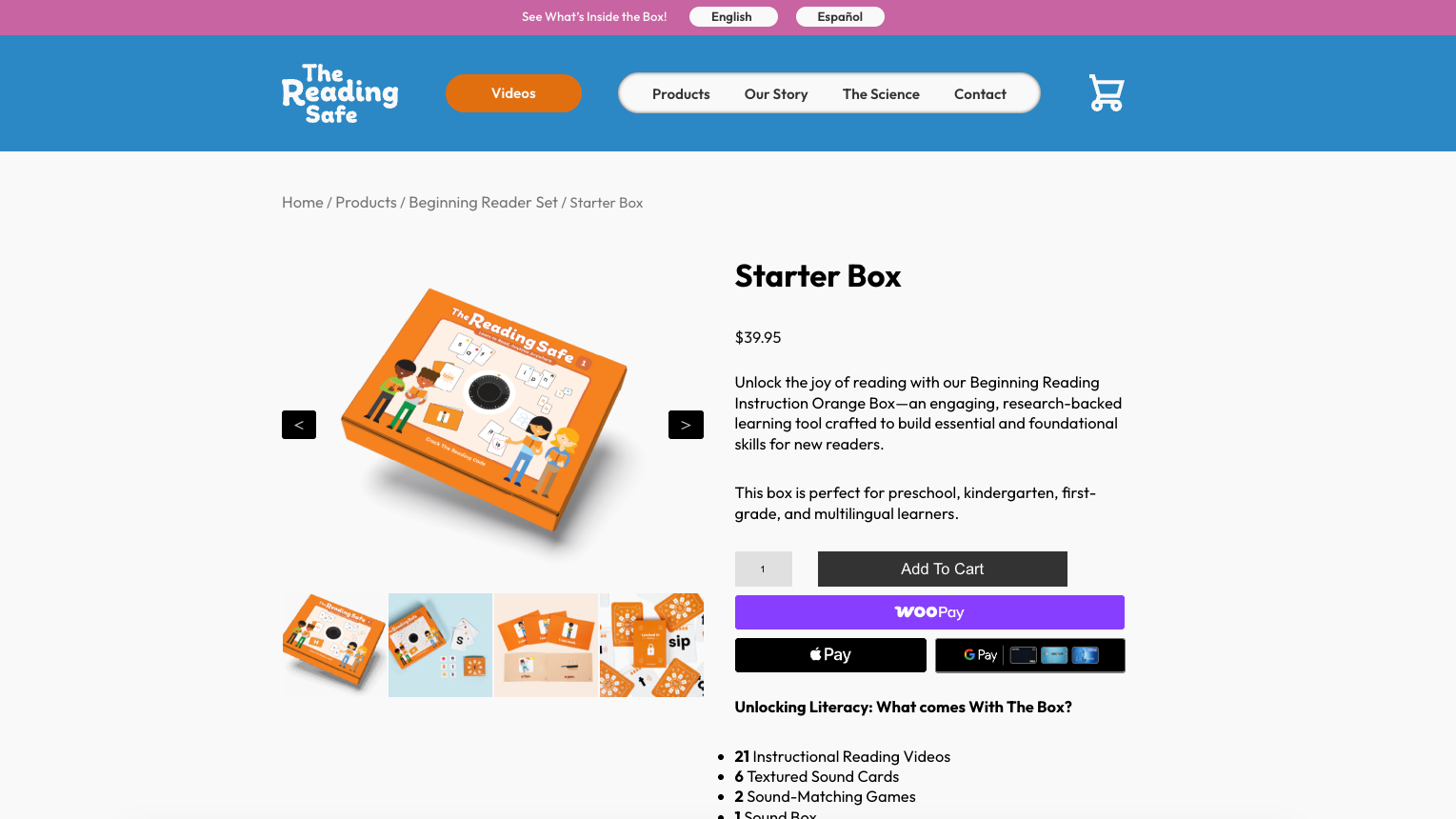
Physical products required traditional e-commerce workflows, while digital resources introduced different delivery requirements and post-purchase behavior. The platform architecture needed to support both cleanly without creating operational confusion for either users or administrators.
This required careful WooCommerce configuration alongside custom content organization and user experience refinement.
Building a CMS the Client Could Actually Manage
A major project goal was reducing long-term reliance on developer intervention.
The platform included flexible CMS systems that allowed the client to manage products, educational resources, featured content, landing pages, and merchandising layouts independently while still preserving consistency throughout the experience.
The editing environment emphasized structured flexibility rather than unrestricted page building, giving the client meaningful control without introducing layout instability or design drift over time.
Creating a More Guided Purchase Experience
Educational products often require more explanation and trust-building than traditional retail products.
The platform focused heavily on content hierarchy, product education, supporting resources, and conversion-focused UX patterns designed to help visitors feel more informed before purchasing. Product relationships, supporting materials, and content pathways were structured to encourage exploration naturally.
The Work
WooCommerce Platform Architecture
A major portion of the project focused on building a scalable WooCommerce foundation capable of supporting both commerce operations and content publishing simultaneously.
Product organization, category structures, merchandising systems, and content relationships were all designed around long-term scalability and usability rather than short-term implementation convenience.
Educational Content Integration
The site architecture connected educational resources directly into the commerce experience.
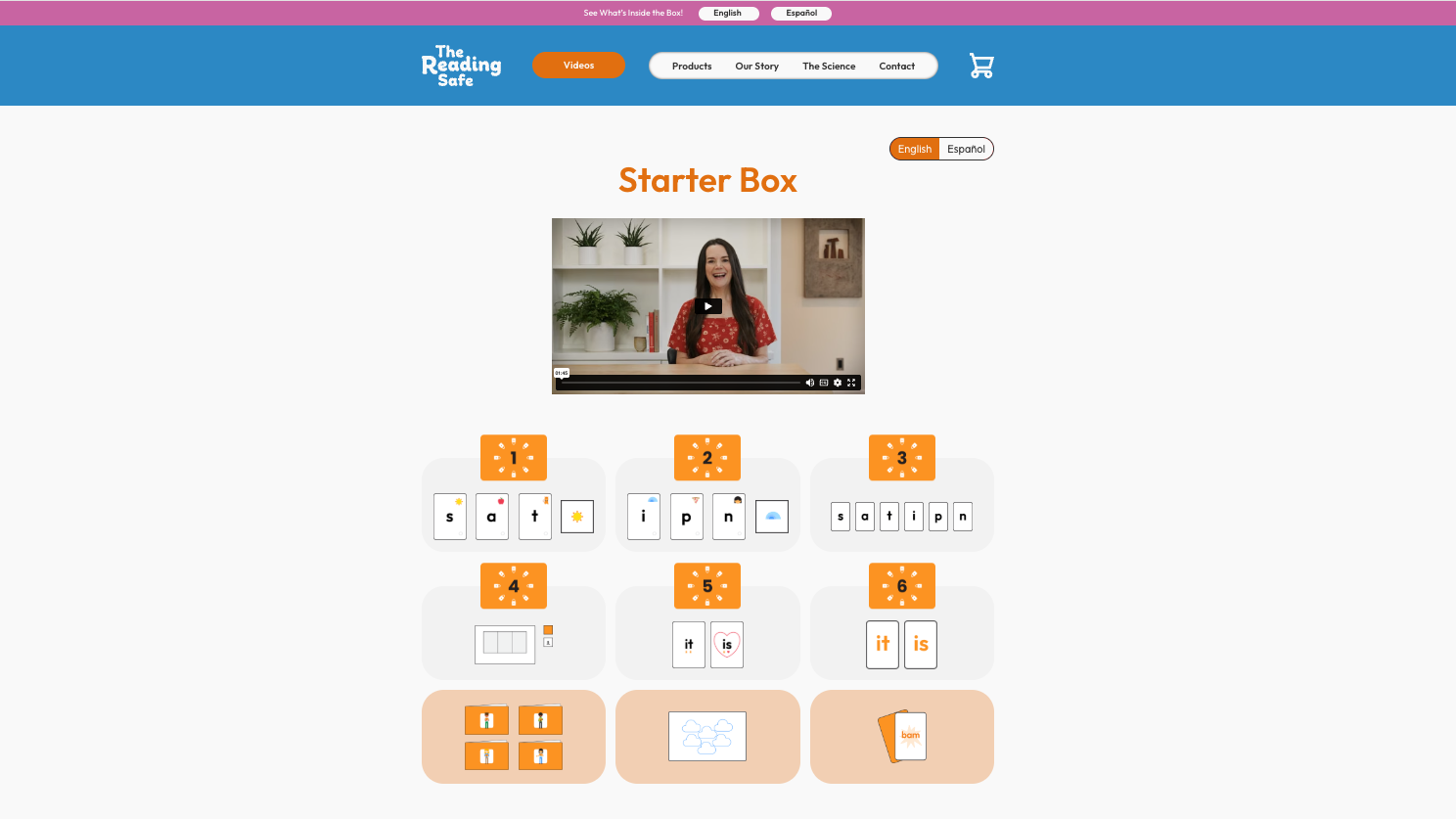
Supporting content, informational pages, and learning-focused materials were integrated contextually throughout the platform to help users move more naturally between education and purchasing behavior.
Custom CMS Development
The platform included a flexible custom CMS environment tailored specifically to the client’s workflow needs.
Content systems, merchandising areas, promotional sections, and landing page structures were developed to allow ongoing expansion without requiring structural redevelopment or constant developer oversight.
Conversion-Focused UX Development
The front-end experience prioritized clarity, trust-building, and usability.
Product pages, educational pathways, calls-to-action, and supporting content structures were designed to reduce friction and create a more approachable experience for users evaluating educational products and resources.
Feature Highlights
Hybrid Physical & Digital Commerce
The WooCommerce architecture supported both traditional physical products and downloadable educational resources within a unified experience.
Educational Content Ecosystem
Learning resources and product education systems were integrated directly into the customer journey to support more informed purchasing decisions.
Flexible Marketing-Focused CMS
The client gained a scalable publishing and merchandising system capable of supporting long-term growth without heavy developer dependence.
Outcome
The finished platform gave The Reading Safe a significantly more scalable and user-friendly digital ecosystem.
The site successfully combined e-commerce functionality, educational publishing, and conversion-focused UX into a single cohesive experience tailored to parents, educators, and institutional buyers.
More importantly, the project transformed the platform from a simple online store into a more flexible educational commerce system designed to support long-term content growth, product expansion, and independent client management over time.