Franke+Fiorella
Bespoke Branding Agency Website
Project Overview
Franke+Fiorella needed a website capable of presenting decades of branding work without overwhelming visitors or creating editorial complexity behind the scenes.
The agency’s work spans multiple industries, branding disciplines, publishing initiatives, and long-term client engagements. The challenge was not simply building a portfolio site — it was creating a scalable digital platform capable of functioning simultaneously as a portfolio system, editorial platform, lead-generation engine, and long-term marketing infrastructure.
The project required balancing several competing goals at once: showcasing client work, supporting thought leadership publishing, improving discoverability across industries and services, integrating CRM-driven lead capture systems, and maintaining a highly polished visual presentation throughout the experience.
The final platform became less of a traditional agency website and more of an interconnected marketing ecosystem designed to support both brand presentation and long-term business development.
Key Challenges & Solutions
Organizing a Large and Evolving Content Ecosystem
Franke+Fiorella’s portfolio spans multiple branding disciplines, industries, and project categories. A conventional archive structure would have made it difficult for prospective clients to discover relevant work naturally.
The platform architecture focused heavily on relationships between content systems rather than isolated pages. Case studies, industries, thought leadership content, and featured homepage content were all designed to work together dynamically, creating more intuitive discovery pathways throughout the site.
This approach improved both user exploration and long-term scalability behind the scenes.
Integrating CRM & Lead Generation Workflows
The site required significantly deeper HubSpot integration than a standard embedded form implementation.
Lead-generation workflows included gated content access, custom popup forms, downloadable resources, newsletter capture systems, and CRM-connected conversion pathways integrated throughout the platform. The implementation required substantial customization to maintain both design consistency and lightweight front-end performance while still supporting HubSpot tracking and marketing automation goals.
Rather than treating lead generation as a separate utility layer, conversion pathways were integrated directly into the broader editorial and portfolio experience.
Building Custom Motion Without Heavy Plugin Dependency
A large portion of the visual presentation relied on subtle animation systems and interactive behaviors that needed to feel polished without becoming bloated or performance-heavy.
Instead of relying on large animation plugins, many interactions were developed as lightweight custom implementations tailored specifically to the site’s design language. This allowed greater creative flexibility while maintaining tighter control over responsiveness and front-end performance.
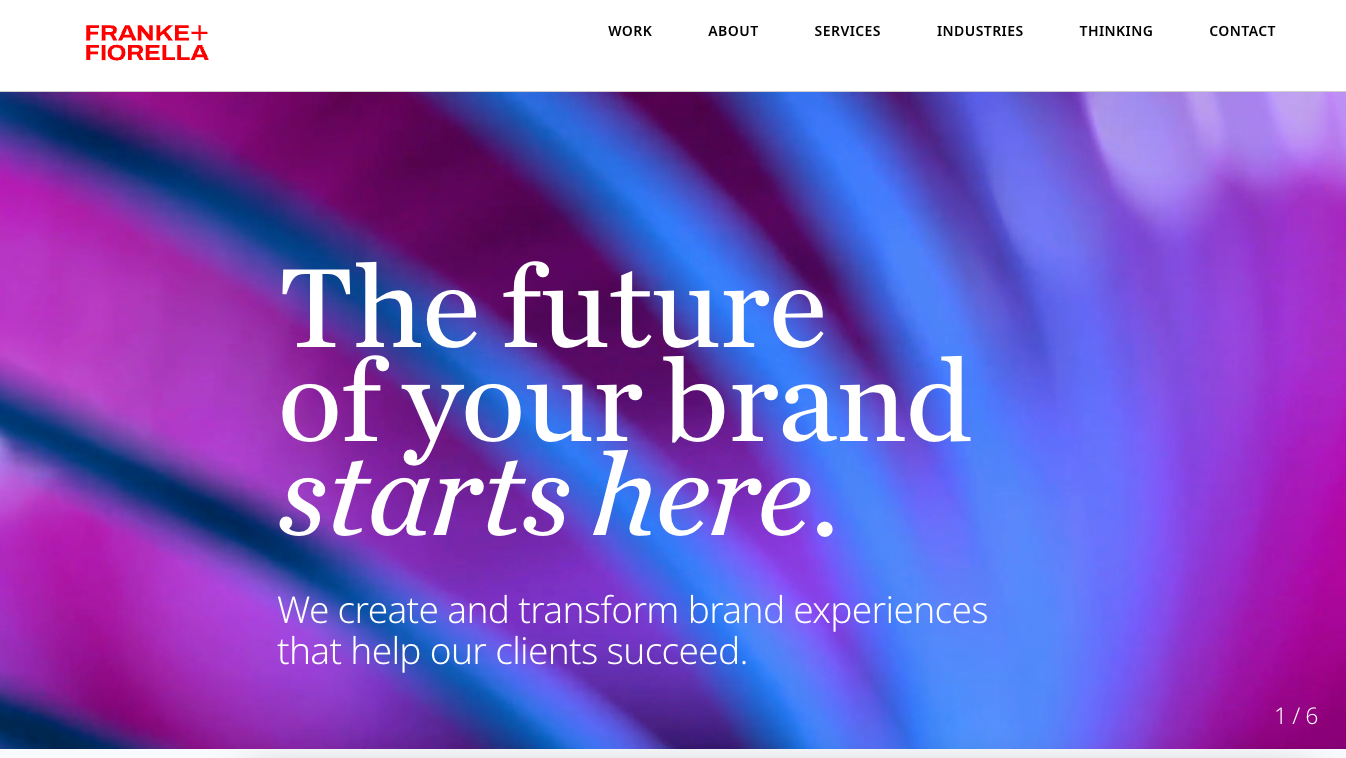
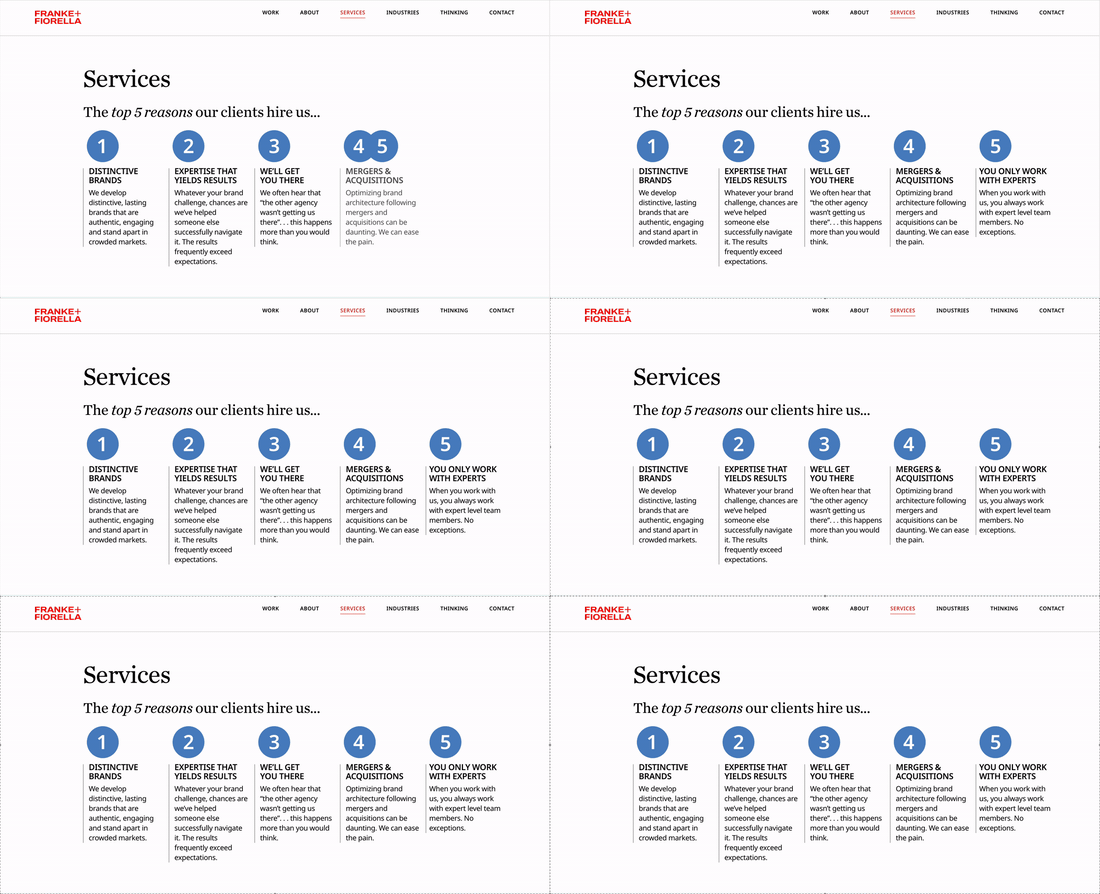
The homepage hero and services page, in particular, involved close collaboration around interaction concepts, pacing, and animation behavior in order to create a more dynamic and modern presentation layer.
Maintaining Editorial Flexibility Without Losing Cohesion
The platform needed to support continuous growth as new case studies, articles, industries, downloadable resources, and campaigns were added over time.
To support this, the CMS architecture emphasized reusable content systems, dynamic relationships, and modular page construction rather than rigid templates. This allowed the internal team to expand the platform without constantly requiring development support while still preserving consistency across the experience.
The Work
Editorial & Portfolio Architecture
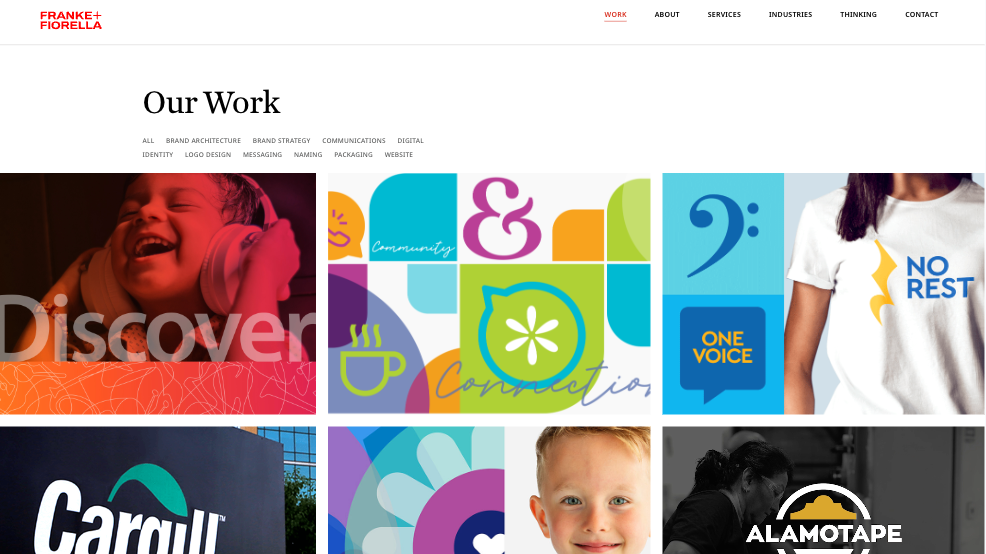
A major portion of the project focused on organizing the agency’s portfolio, industry expertise, and publishing initiatives into a unified content ecosystem.
Rather than building disconnected sections, the site architecture emphasized relationships between case studies, industries, disciplines, thought leadership content, and lead-generation pathways. This created stronger contextual discovery while also simplifying long-term content management behind the scenes.
HubSpot & Marketing Systems Integration
The platform integrated deeply with HubSpot to support marketing automation, gated content workflows, CRM tracking, and lead-generation initiatives throughout the site.
Popup systems, downloadable content flows, newsletter capture experiences, and conversion-focused touchpoints were customized heavily to align with the agency’s design standards while maintaining responsive performance and editorial flexibility.
Custom Front-End Development & Animation
The visual presentation relied heavily on custom front-end behavior rather than off-the-shelf animation systems.
Interactive homepage elements, animated transitions, and dynamic service-page interactions were implemented through lightweight custom solutions designed specifically around the site’s visual identity. The development process involved active collaboration around motion concepts and interaction pacing in order to create a presentation layer that felt polished and intentionally crafted rather than template-driven.
Conversion & User Experience Refinement
Beyond content organization, the project also focused heavily on improving usability and conversion flow clarity.
Navigation systems, homepage structure, filtering interactions, content hierarchy, and lead-generation touchpoints were all refined to help visitors move more naturally between the agency’s services, expertise, portfolio work, and thought leadership content.
Feature Highlights
CRM-Integrated Lead Generation
HubSpot workflows, gated content systems, popup experiences, and conversion tracking were integrated directly into the platform architecture.
Dynamic Editorial Relationships
Case studies, industries, and publishing systems worked together dynamically to improve content discovery and scalability.
Lightweight Custom Motion Systems
Custom animation implementations created a more polished and responsive experience without relying heavily on large front-end plugins.
Outcome
The finished platform gave Franke+Fiorella a significantly more scalable and strategically organized digital presence.
The agency gained a system capable of supporting portfolio growth, long-term editorial publishing, CRM-connected lead generation, industry-specific marketing initiatives, and ongoing content expansion without sacrificing usability, performance, or brand consistency.
More importantly, the project transformed the site from a conventional portfolio into a more sophisticated marketing and editorial ecosystem — one designed to support both client discovery and long-term business development through interconnected content, lead generation, and thought leadership publishing.